
If you are selling a one or two-family home in New Jersey, there is a certificate needed before closing that many sellers have never heard of. People call it the "smoke cert," and the full name is a mouthful.
The good news: you do not have to figure it out on your own. We let our sellers know what is required, and once everything is in order, we schedule the inspection. Here is what the certificate is and how the process works.
What the certificate is
New Jersey law says that before a home used by one or two households can be sold or leased, the owner must get a certificate showing the home complies with the state's smoke alarm requirements. The certificate comes from the local enforcing agency under the Uniform Fire Safety Act. In practice, that is usually your town's fire official or fire prevention bureau.
The inspection also covers carbon monoxide alarms. In homes with a fuel-burning appliance (like a gas furnace, gas water heater or gas stove) or an attached garage, carbon monoxide alarms are required near the sleeping areas.
What changed in 2025: the fire extinguisher
For years this was called the "smoke, carbon monoxide and fire extinguisher" certificate, and sellers had to mount a portable extinguisher near the kitchen. That changed. On February 3, 2025, New Jersey enacted P.L.2025, c.19, which removed the portable fire extinguisher requirement from this law.
The same law added something new: a home with a secondary power source, such as solar panels, a permanently installed generator or a battery storage system, needs a printed warning label within 18 inches of the main electrical panel and the electric meter. The state Division of Fire Safety says the label must carry wording similar to "CAUTION: MULTIPLE SOURCES OF POWER" and cannot be handwritten. It is enforced when the home changes occupancy.
Some towns' application forms have not caught up, so the extinguisher may still be listed. We confirm with the fire official what they currently check.
What the inspector looks at
Every town runs its own process, but the core items are consistent:
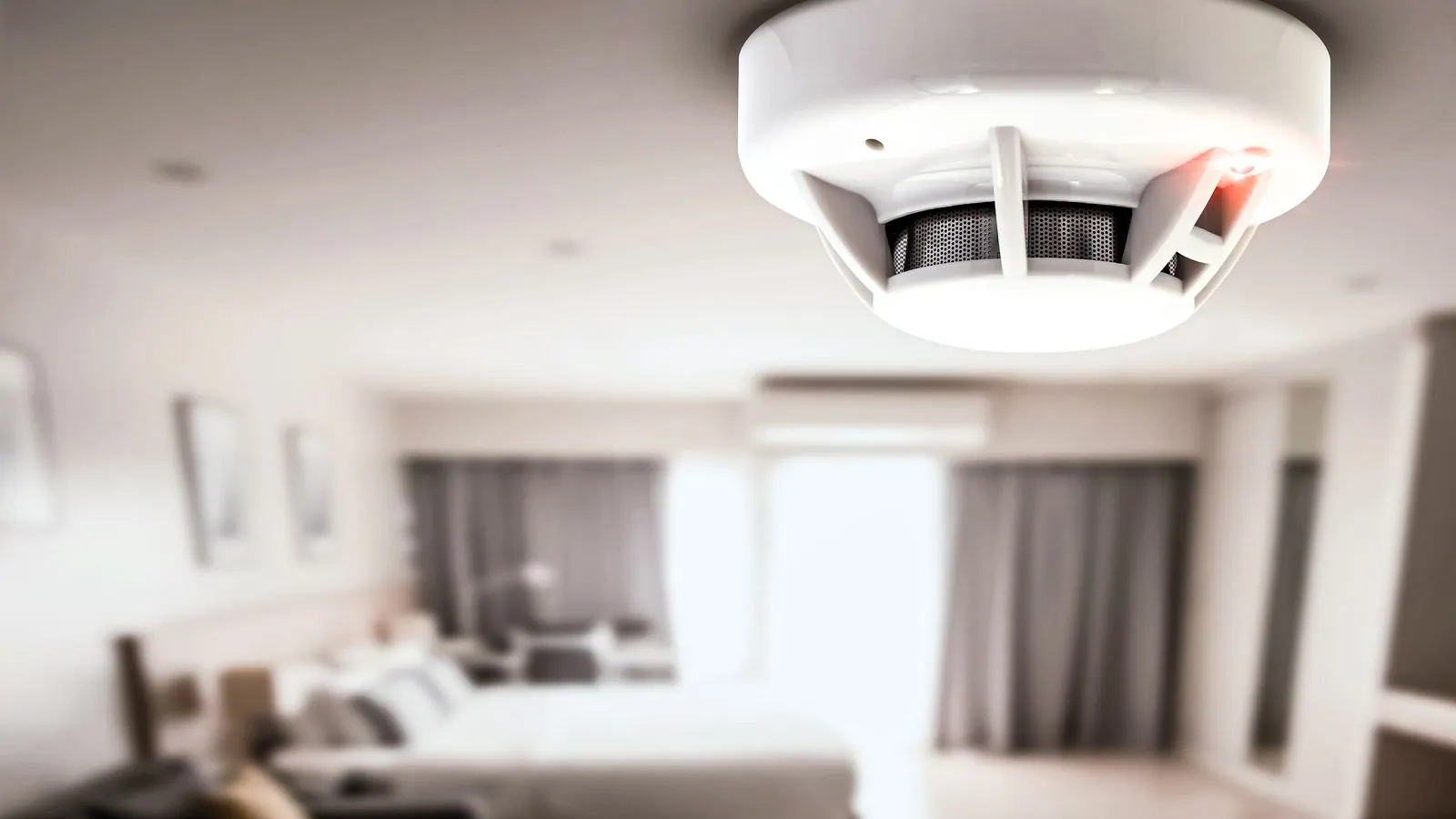
- Smoke alarms on each level of the home and outside each separate sleeping area, near the bedrooms.
- Carbon monoxide alarms near sleeping areas when the home has fuel-burning appliances or an attached garage.
- The right type of smoke alarm. Under a state rule that took effect January 1, 2019, homes built before January 1, 1977 that rely on battery-powered smoke alarms need the 10-year sealed battery type. Homes built after that date have hardwired alarms, and those stay hardwired.
- The secondary power label, if the home has solar, a generator or battery storage.
Towns can add their own rules, like age limits on alarms, so we go over your town's checklist with you before anything is bought or installed.
Who issues it, and how long it lasts
The certificate is issued by the fire official in the town where the home is located, whether that is Union, Springfield, Cranford, Westfield, Livingston or anywhere else. Each town sets its own procedures, fees and scheduling rules, and they differ a lot from one town to the next. We know how each town works and handle the scheduling for you.
According to the New Jersey Department of Community Affairs, a smoke alarm certificate is valid for six months from the date it is issued, so we time the inspection to your closing date.
Separately, some towns require their own resale inspection or Certificate of Occupancy before a sale. That is a town rule, not this state certificate, and we make sure both are covered.
Keep it in writing
Rules and town procedures change, so please confirm the current requirements with your town's fire official and your attorney. This is general information, not legal advice.
If you are getting ready to sell, you can learn more about how we sell homes, or start with a free home value. We are always glad to help you plan the details early.
Thinking about selling?
Get a real number for your home, based on recent sales near you.
What is my home worth?