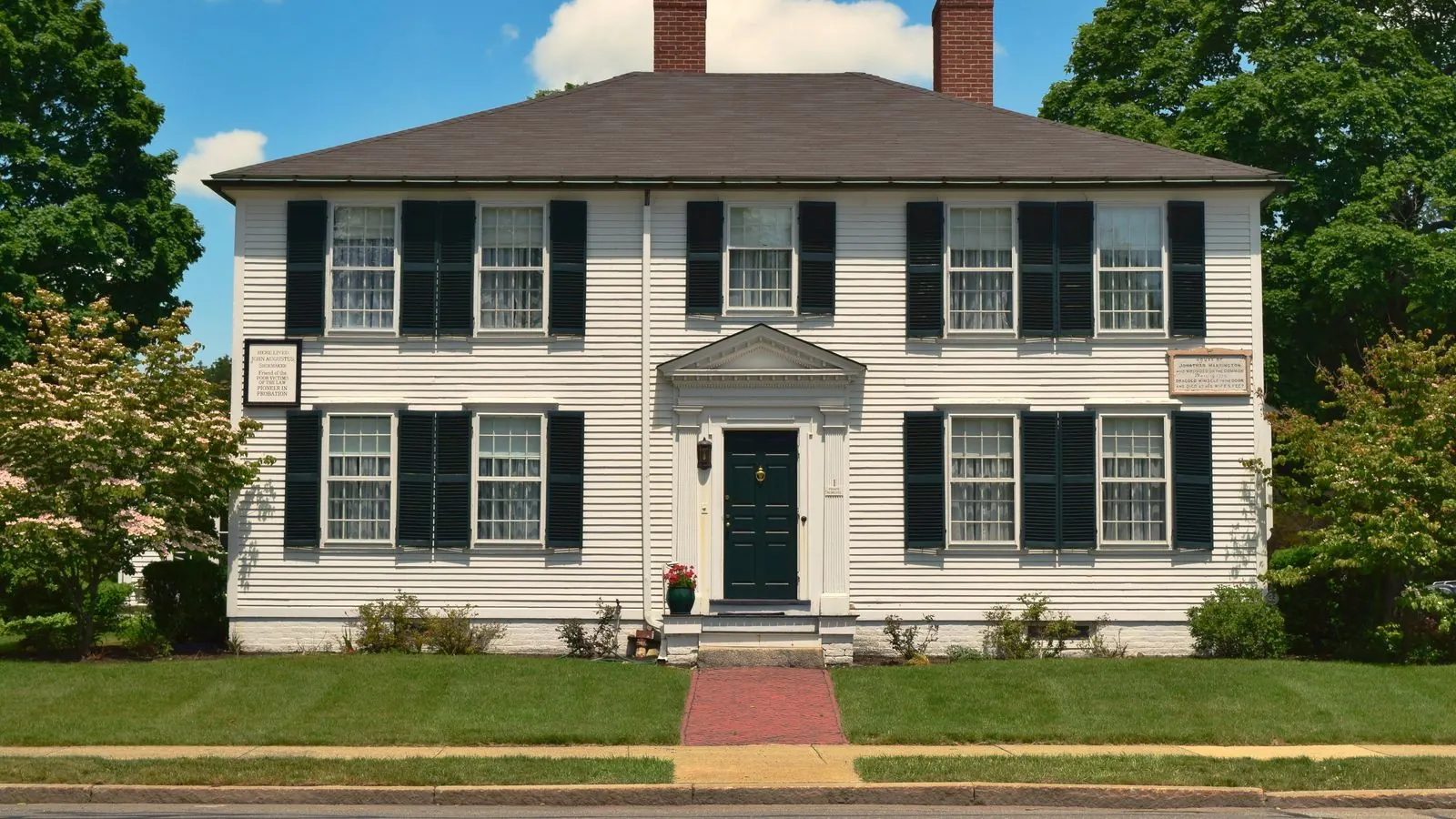

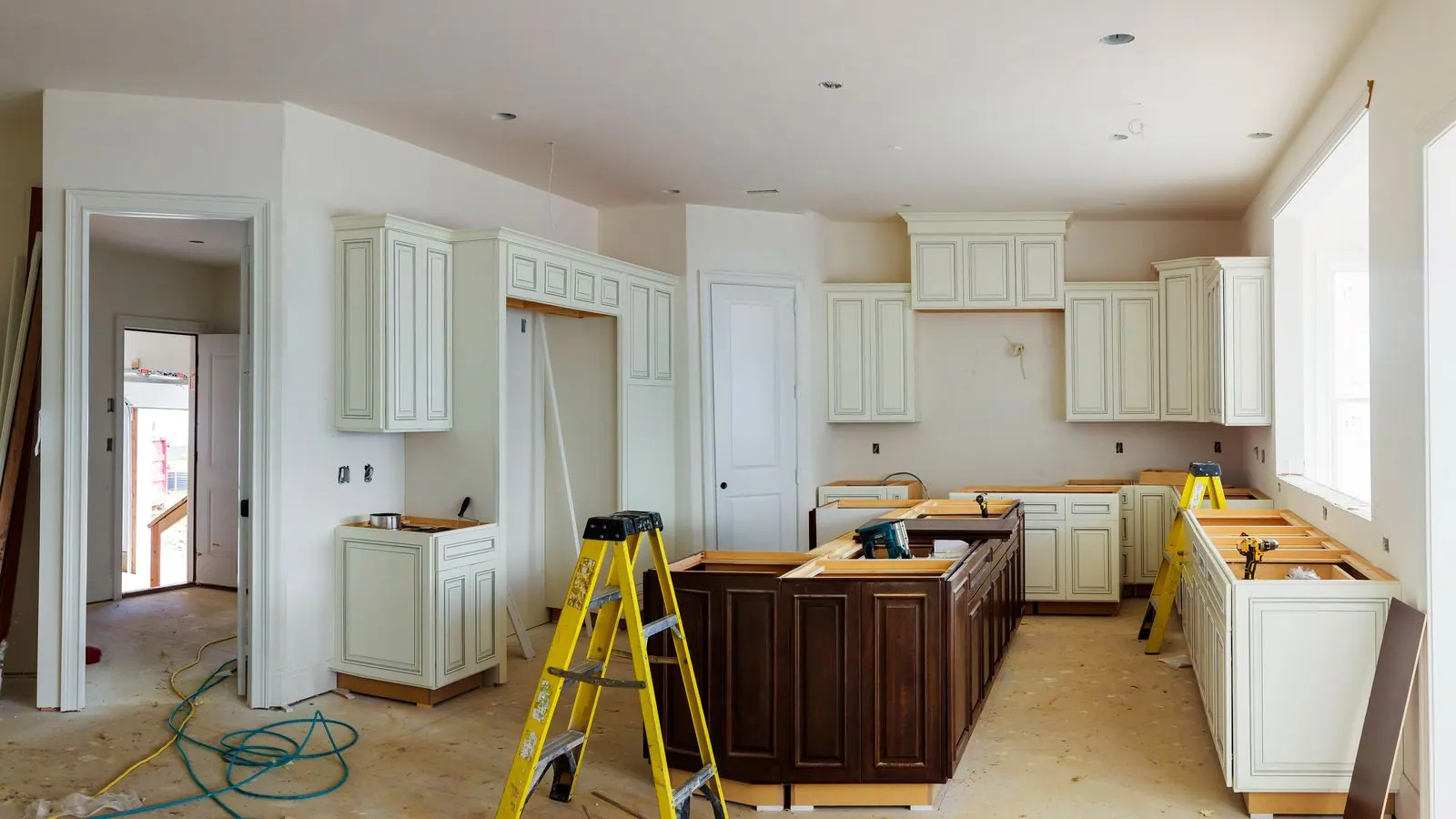
It's one of the first questions I hear from sellers: "Should we redo the kitchen before we list?" My honest answer is usually no. But "no" isn't the whole answer. Some fixes pay for themselves. Others just add stress, delay and cost.
Here's how I help sellers decide.
Start with what buyers will actually see
Buyers are not grading your home against a magazine. They're comparing it to the other homes they saw that weekend. So the question isn't "what would make this house perfect?" It's "what would make a buyer hesitate?"
Things that make buyers hesitate tend to fall into three groups:
- Signs of neglect. Peeling paint, stained ceilings, broken screens, a running toilet. Small things, but they make buyers wonder what else was skipped.
- Function problems. A door that won't close, a window that won't open, an outlet that doesn't work, a burner that won't light.
- Big-ticket worries. Roof, heating, cooling, water heater, foundation, electrical. These scare buyers because they can't tell how much it will cost.
What's usually worth fixing
In my experience, the best money before a sale goes to work that is cheap, fast and visible.
- Paint. Fresh, neutral paint in the main rooms is the most reliable upgrade I know.
- Small repairs. Leaky faucets, loose handrails, cracked switch plates, sticky doors. A handyman day can clear a long list.
- Lighting. Swap out dated fixtures in the entry and kitchen, and make sure every bulb works.
- Flooring touch-ups. A deep clean or refinish often beats replacing.
- Curb appeal. Clean gutters, trimmed shrubs, a tidy walkway, a front door that looks cared for.
- Safety items. Anything that's a clear safety concern should be addressed. Buyers and their inspectors will focus on it.
What's usually better left alone
Big renovations right before a sale are risky for a few reasons.
- Your taste may not be the buyer's taste. You could spend months picking a kitchen that the next owner plans to change anyway.
- Projects run long. Contractors, materials and permits all add time, and the market doesn't wait for you.
- You may not get it back. A new bathroom can make a home more appealing without raising the price enough to cover the cost.
- Unfinished work is worse than old work. A half-done project on listing day hurts more than a dated room that's clean and working.
That doesn't mean never renovate. If a room is truly unusable, or the house is far behind the homes around it, it may be worth a conversation. We look at the recent sales nearby and decide together.
The case for finding problems early
This is the part of my framework I call repair prep: find issues early, decide what to fix, and disclose or price in the rest, before an inspector decides for you.
Here's why it matters. Once you are under contract, the buyer's inspection report sets the agenda. Every item becomes a possible repair request or credit, and you're negotiating on a deadline. If you already know about the issue and dealt with it up front, it loses most of its power.
Some sellers order their own pre-listing inspection. Others walk the house with me and a trusted contractor. Either way, the goal is the same: no surprises.
Why disclosing early beats surprises
I always tell sellers: if you know about it, put it on the table.
New Jersey courts have long held that a seller can be responsible for failing to disclose a known, significant defect that a buyer couldn't reasonably see for themselves. Your attorney can explain exactly what that means for your home, and you should talk with them about anything you're unsure of. My practical advice is simple: be open about what you know.
Beyond the legal side, early disclosure is just good strategy.
- It builds trust. Buyers relax when a seller is upfront. They're more likely to stay in the deal.
- It sets the price honestly. A known issue gets priced in from the start, instead of being renegotiated at the worst moment.
- It protects your timeline. Fewer surprises means fewer reasons for a deal to stall or fall apart.
The repair you disclosed is a line in the listing. The repair the inspector found is a negotiation.
How we decide, house by house
When I walk a home with a seller, we go room by room and sort every item into one of three choices:
- Fix it if it's cheap, quick and a buyer would notice.
- Disclose it if it's bigger and you'd rather not take it on.
- Price it in if it's a known cost a buyer can plan for, like an older system.
Then we check the plan against what nearby homes in similar condition have sold for. That keeps the decision grounded in the real market, not in guesses.
The bottom line
Most homes don't need a renovation to sell well. They need to be clean, working, honestly presented and priced right. Spend where buyers will notice, skip the big projects, and get ahead of the inspection.
If you're weighing what to fix before you sell, I'm glad to walk through your home and give you my honest opinion. You can learn more about how I sell homes or reach out here. There's no obligation, just a straight answer.
Thinking about selling?
Get a real number for your home, based on recent sales near you.
What is my home worth?